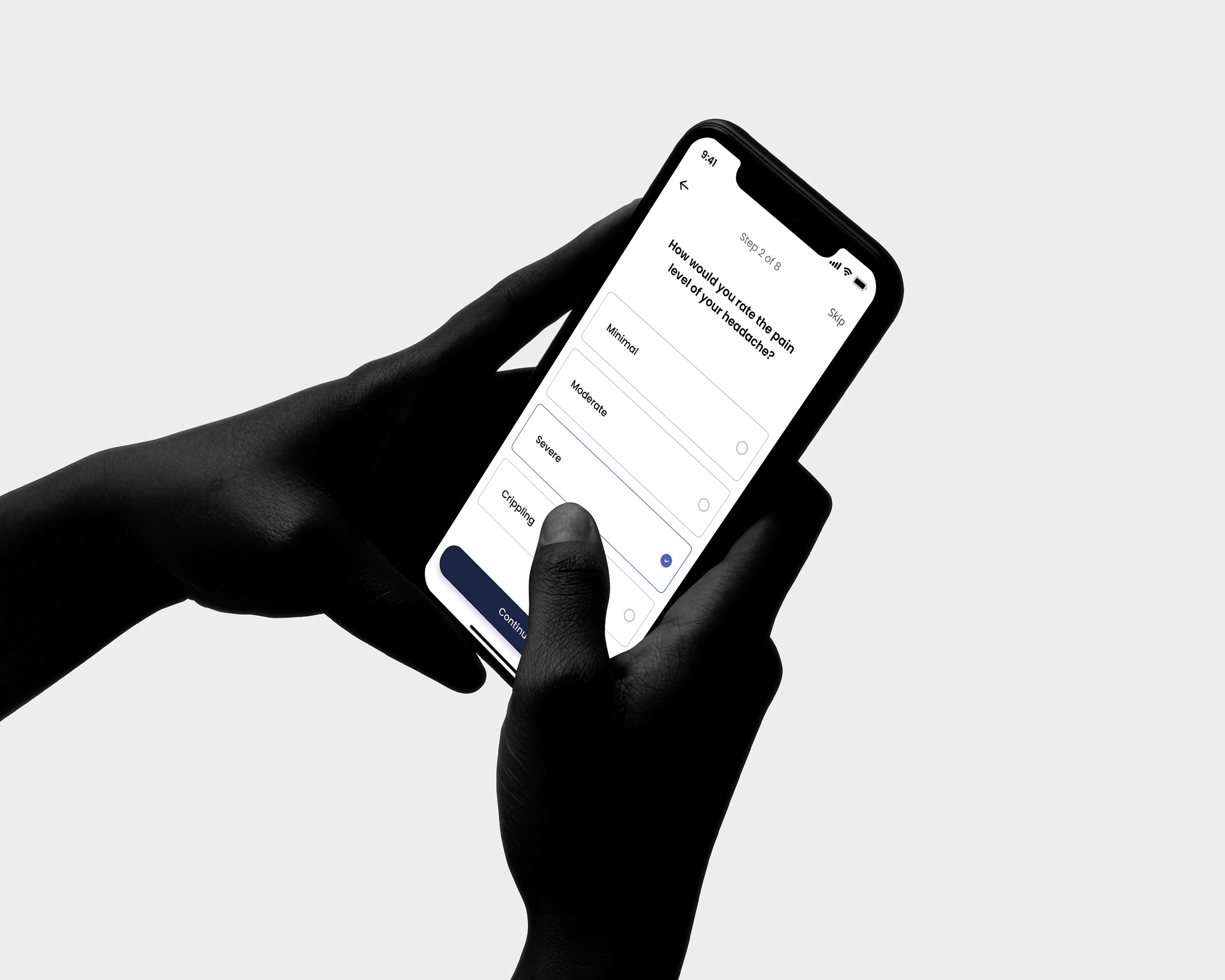
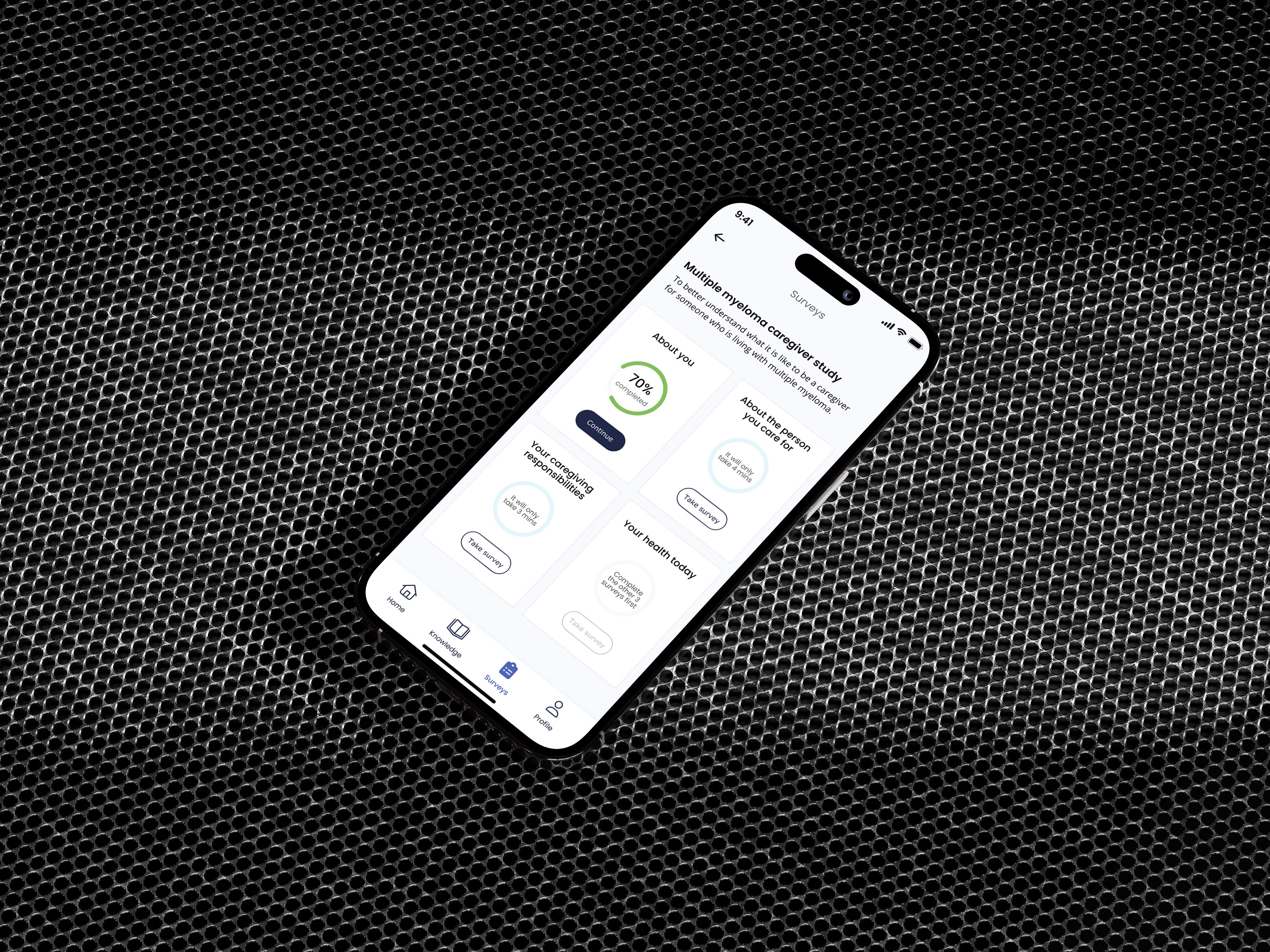
Vitaccess needed its platform to become easier for patients, carers, clients, and internal teams to carry.
The company was moving towards a more scalable platform model, but the existing operating reality was too heavy. Client onboarding took weeks. Accessibility was handled too late in the process. Product teams were pulled into repeat configuration work. Patients and carers were being asked to engage with digital tools while often dealing with discomfort, impairment, stress, or emotional load.
The design problem sat between product experience, accessibility, operations, and organisational capacity.
What had to become easier
Participation in research depends on trust, comprehension, and effort.
A patient or carer needs to understand what they are being asked, complete tasks without unnecessary friction, and feel that the system respects their condition and context. A client needs studies to be configured quickly and reliably. Internal teams need platform foundations that reduce repeat effort rather than creating another layer of dependency.
The work therefore had to address the interface and the operating model together.
What was designed
The work began with a heuristic evaluation and close collaboration inside the product teams. The goal was to understand the existing products and processes, then build a foundation that could support inclusive user experiences by default.
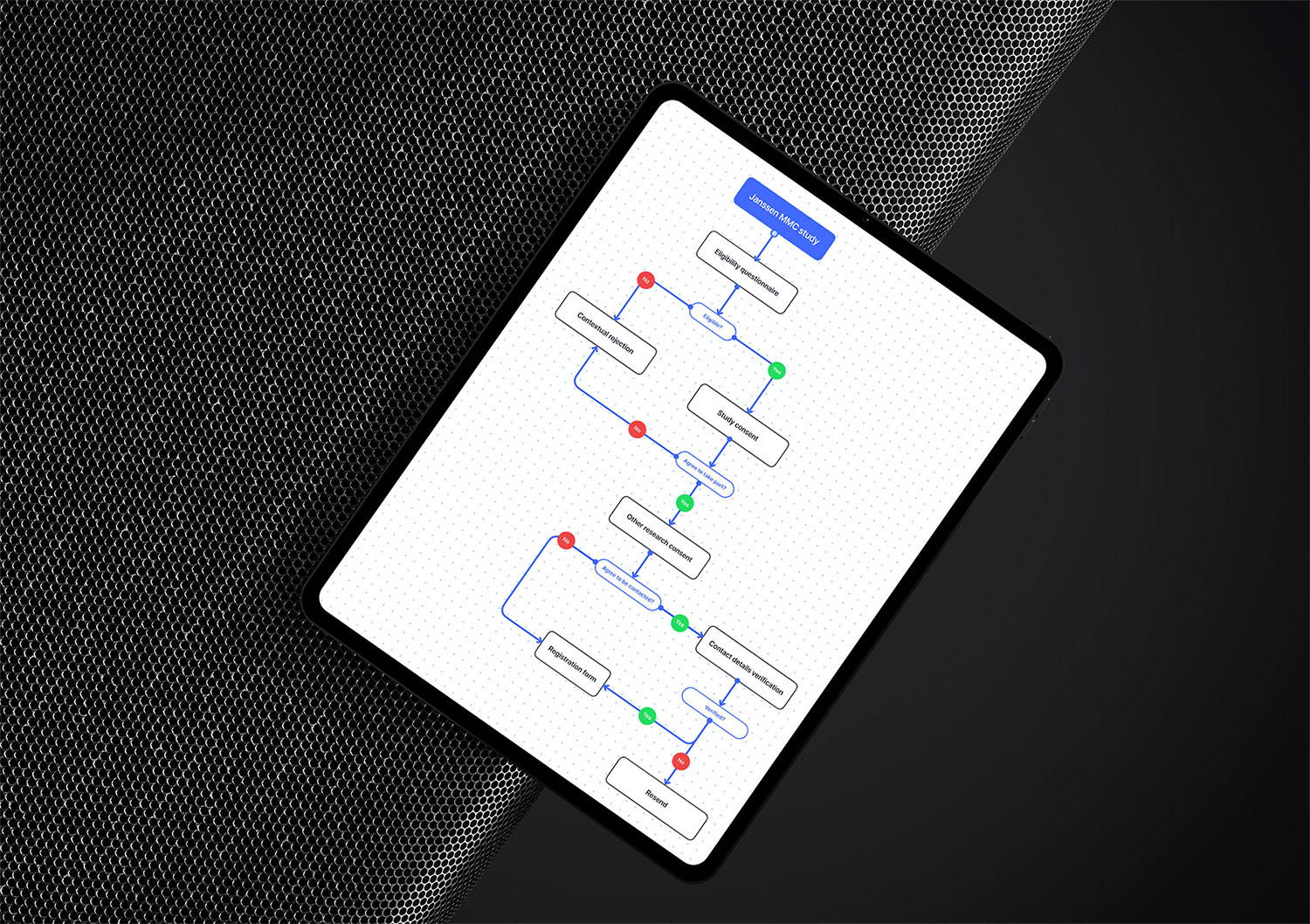
At the centre was a design-system approach shaped around accessibility. A WCAG 2.2 compliant framework, Figma-to-Storybook integration, streamlined onboarding, and sales enablement tools. The system reduced client onboarding from weeks to hours and allowed non-engineers to handle onboarding.
Platform foundations
The platform needed reusable patterns, accessible components, clearer configuration, and a stronger bridge between design and development.
Figma and Storybook became part of the same operating system. Accessibility guidance became part of the product foundation. Onboarding became a configurable process rather than a bespoke build each time. Product teams could then spend more energy on discovery and improvement, while other teams gained more autonomy in configuring client work.
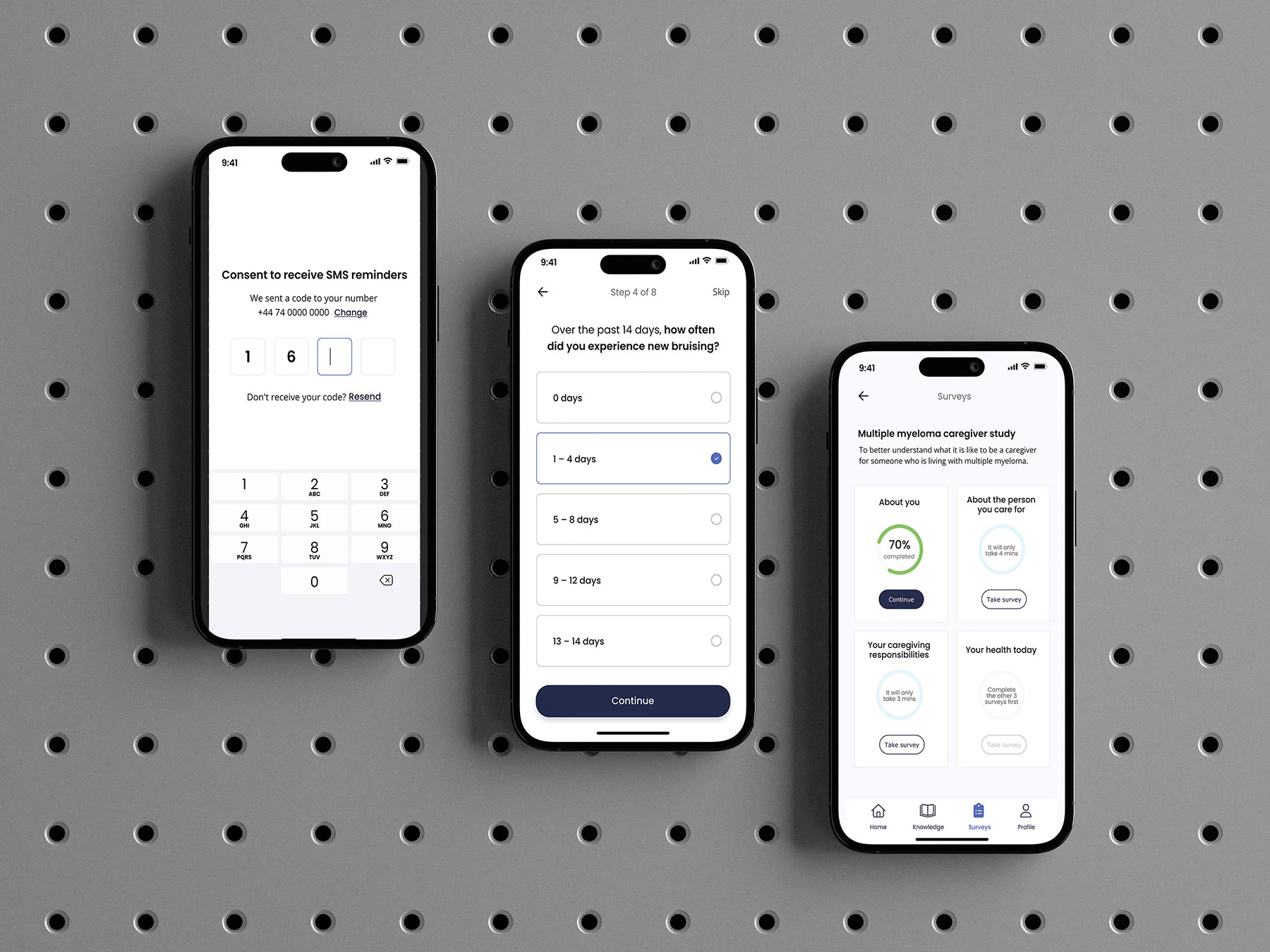
What changed
The outcome was both a better patient and carer experience and an operational shift across Sales and Product. The work was described by the CTO as strong in patient and user-centric usability and accessibility.
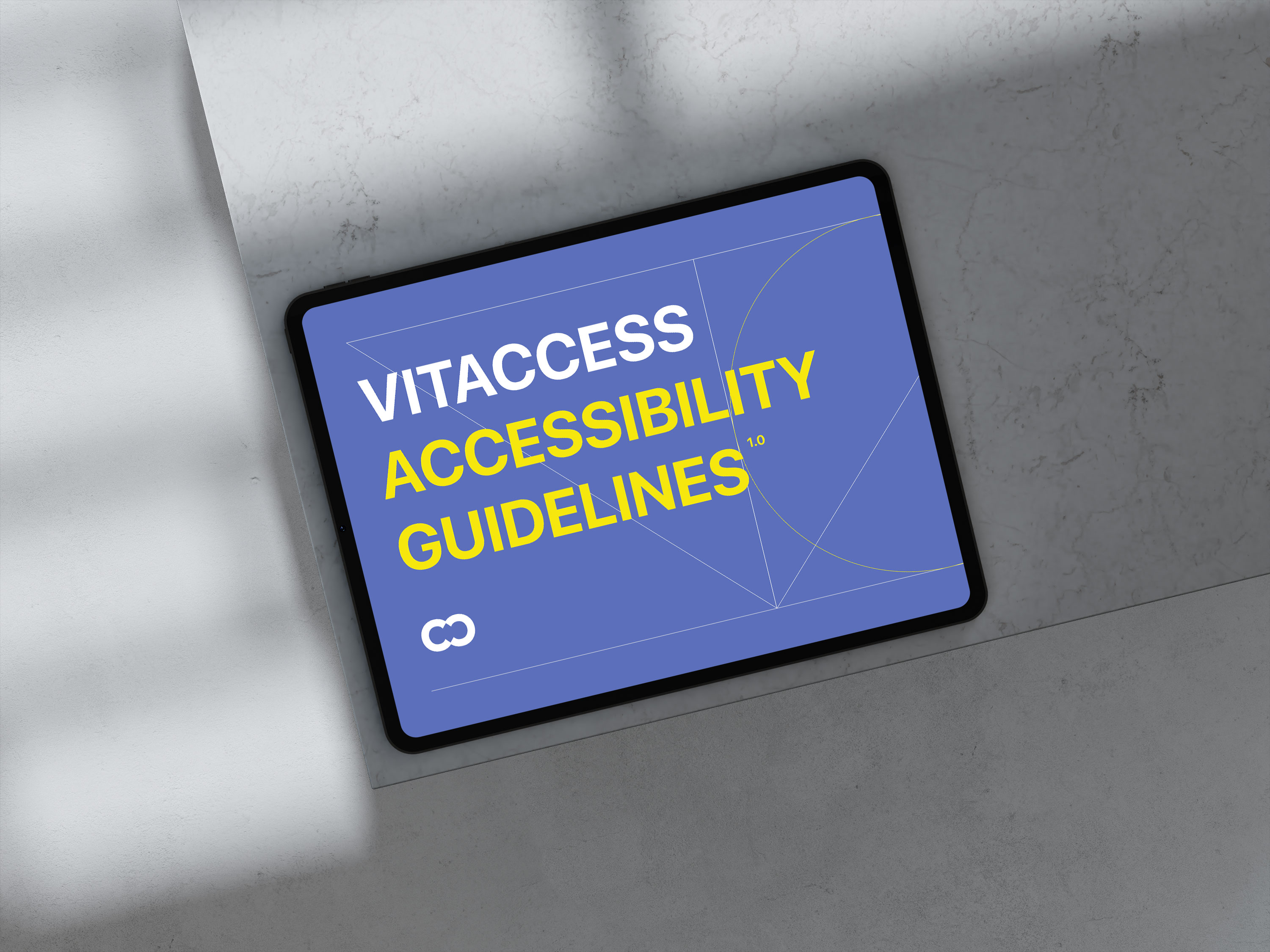
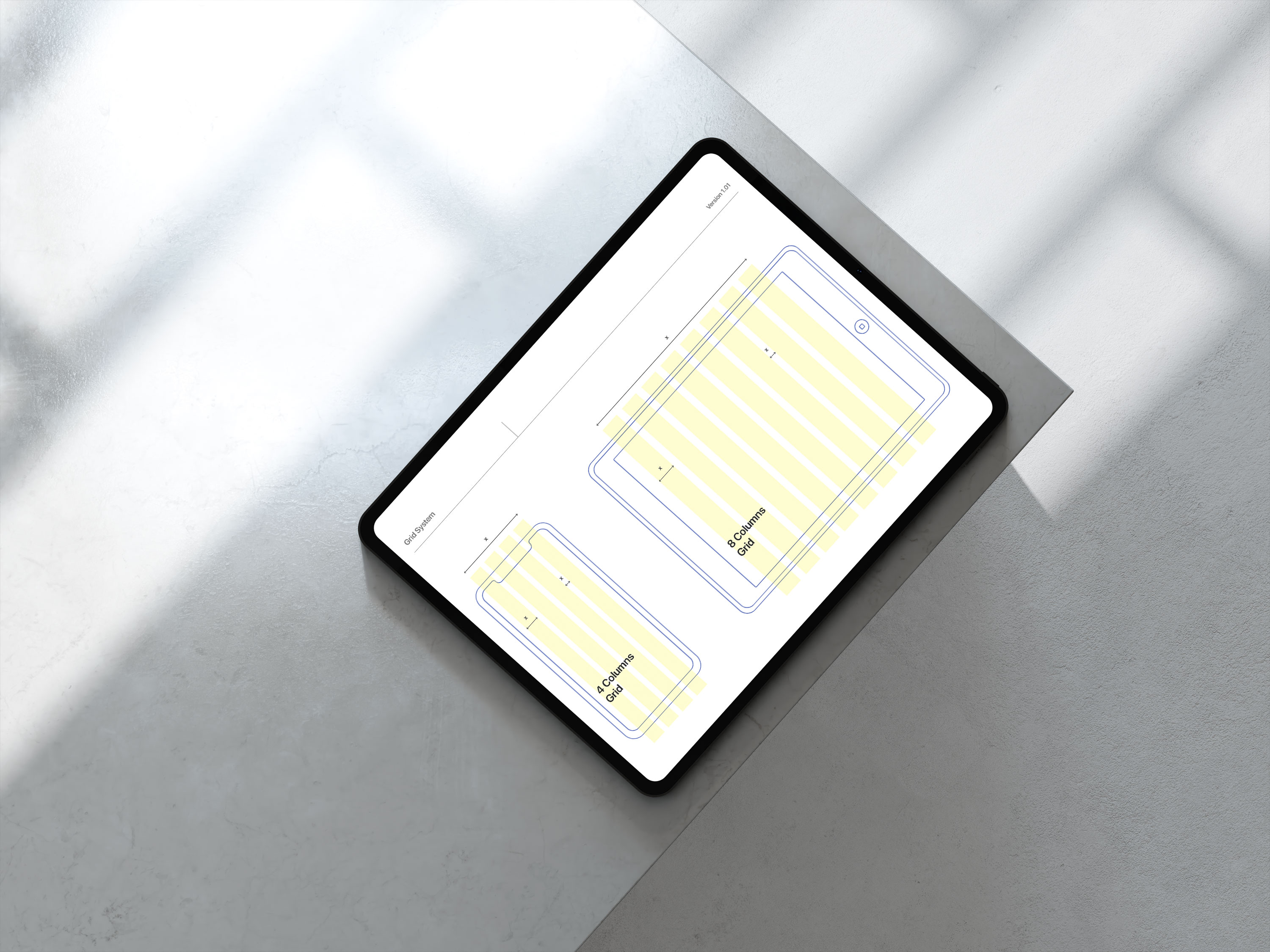
The important shift was that accessibility became infrastructure. It moved from something checked at the end to something built into the way the platform could be configured, extended, and used.
What it taught
Accessibility holds when it becomes infrastructure: part of the platform, the process, and the way the work is carried.